

Cloudy Wine Glasses After Washing? A Troubleshooting Guide for NZ Hospitality Venues

A rack of wine glasses comes out of the machine looking fine. Once they dry, a pale haze appears across the bowls. Someone reaches for a polishing cloth, service starts, and the same problem returns with the next rack.
Cloudy wine glasses after washing can have several causes: mineral deposits, chemical residue, poor washing or permanent damage to the glass. Working out which one you have saves repeated wash cycles and helps you avoid replacing glasses that could still be cleaned.
For a restaurant, hotel bar or winery tasting room, the useful starting point is a small comparison test. Look at when the cloudiness appears, which glasses are affected and what changed before it started.
Is the cloudiness removable or permanent
A white film does not automatically mean a glass is worn out. RIEDEL distinguishes removable deposits from glass corrosion, which changes the glass surface permanently. Corrosion cannot be polished away. Its glass care guidance explains this difference.
Set aside an affected glass and check its care instructions. Use a deposit-removal method approved for that glass, then rinse and inspect it once dry. If the haze clears, investigate what is leaving the deposit. If it remains, ask your glassware supplier to assess it before treating the whole stock.
Avoid abrasive pads and improvised chemical mixtures. Repeatedly scrubbing a damaged glass will not restore its clarity.
Compare older glasses with a newer example of the same type. If both develop haze in the same load, investigate the washing process first. If only older stock remains dull after suitable cleaning, permanent surface damage becomes more plausible.
Follow the pattern before changing products

Keep a few affected glasses out of circulation and note where the marks appear. These observations help narrow the investigation; none proves a cause on its own.
White spots appearing as glasses dry: check rinse performance and water quality.
A film across most of the rack: check chemical supply, dosing and the rinse cycle.
Lipstick or dried wine still visible: investigate soil removal and wash coverage.
Poor results mainly during busy service: review loading, tank condition and operating procedure.
Clear glasses becoming smeared after polishing: check the cloths and handling.
Ask the team whether the problem began after a chemical change, service visit or delivery of different glasses. A short note in the shift log is more useful than several people adjusting settings independently.
Check the detergent and rinse aid separately
Match the detergent to the glasswasher
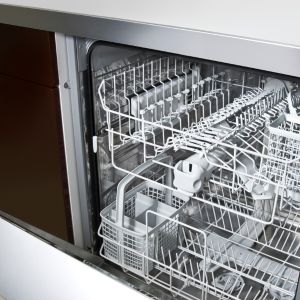 Choose a product explicitly suitable for your machine and glassware. A chemical used successfully in the kitchen dishwasher is not automatically the right choice for delicate wine glasses behind the bar.
Insinc stocks Gloss Automatic Glass Machine Liquid by QualChem, which is a relevant option to review for a compatible glasswashing setup. Confirm suitability and dosing against the product information and your equipment instructions before changing over.
Ask your chemical supplier or service technician to verify the delivered dose. HOBART advises professional dosing setup and notes that adding more detergent does not improve results once the appropriate dose is reached. See its guidance on suitable warewashing chemicals.
Check that rinse aid is actually being delivered
Rinse aid helps water drain from glassware during the final rinse, reducing spotting. It does a different job from detergent and cannot compensate for glasses that have not been washed properly.
Check the container level and any chemical-supply warning on the machine. Follow the manual for routine checks of the pickup tube. A container with liquid in it does not, by itself, confirm that the dosing system is working.
Products such as Green Rhino Rinse and Drying Aid should be assessed for compatibility with the existing system. Have unexplained dosing problems checked rather than turning the setting up repeatedly.
When changing products, follow the supplier's changeover instructions. Do not mix concentrates or pour a new chemical into an old container containing a different product.
Investigate the water reaching your machine
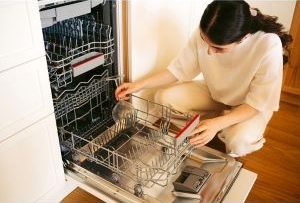
Water treatment deserves attention when the machine appears to wash well but glasses dry with deposits. Ask for testing at the venue, including the treated supply where a treatment system is fitted. A general assumption about your town's water is not enough to diagnose the glasswasher.
HOBART explains that both hardness and the overall mineral content affect results. A softener helps control hardness, but it does not remove all dissolved minerals. This means softened water can still leave marks. Depending on the water analysis and required finish, demineralisation or reverse osmosis may be worth discussing with a specialist. Its water quality guide covers these differences.
For an NZ cellar door or rural hospitality venue, tell the technician what water supply feeds the machine and whether it passes through existing treatment. Bring the treatment service records if available.
Before buying additional equipment, check whether the existing unit needs servicing, regeneration or cartridge replacement according to its instructions. An overdue maintenance task may explain why a previously reliable setup has changed.
Give the glasswasher a proper operational check
Use the machine manual to organise the following checks. Staff should carry out only the cleaning and inspection tasks intended for operators; faults and internal adjustments belong with a qualified technician.
Filters and spray arms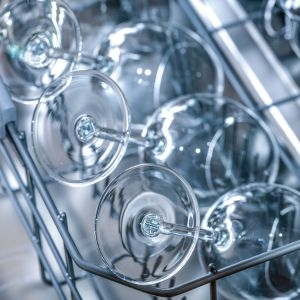
Inspect accessible filters and spray openings using the manufacturer's procedure. Record anything unusual, including debris, visible scale or an arm that does not move as intended. Confirm that cleaned components are refitted correctly before restarting.
Loading and rack choice
Use racks suitable for the size and shape of your wine glasses. Leave the required spacing and check that tall stems or wide bowls do not interfere with the machine. RIEDEL also advises keeping glasses from touching each other or other objects to reduce scratching.
Programme and machine readiness
Check that staff are selecting the intended glasswashing programme and waiting for the machine's ready indication. Report temperature warnings, incomplete cycles or a noticeable change in cycle time.
Do not copy a household dishwasher temperature recommendation into a commercial glasswashing procedure. Use the settings specified for your equipment and the hygiene process your venue follows. Lowering temperatures to chase a shinier finish can create a different problem.
Tank condition during service
Follow the manufacturer's instructions for tank-water changes and cleaning. If results deteriorate through the evening, record the approximate number of racks and the items washed. This gives the technician a useful starting point instead of a vague report that the machine is “sometimes bad”.
Check what happens before and after washing
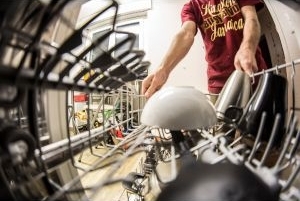
Empty drinks and remove garnishes before loading. Follow your venue's preparation procedure for lipstick and stubborn deposits. Keep unsuitable items out of a dedicated glasswasher, and make sure temporary staff know what can go through it.
Inspect a fully dry glass before anyone polishes it, then compare it with one after polishing. This simple check helps establish whether the marks originate in the machine or at the finishing station.
Keep polishing cloths dedicated to glassware and replace them when soiled. Follow their laundering instructions. RIEDEL cautions against fabric softener on its polishing cloths because it can leave a greasy film, and against twisting the bowl and base in opposite directions because the stem may break.
Check the storage area too. Glasses that were clear when put away but look marked at opening time deserve a separate investigation into shelving, handling and nearby work.
Make the fix repeatable across shifts
Once you identify an improvement, record the method near the glasswashing station. Include the approved products, the routine checks and who to contact when results slip. Insinc's article on cleaning chemical dilution is useful background for explaining why accurate dosing matters across the venue.
Choose one person to coordinate troubleshooting. Make one authorised adjustment at a time and compare fully dry glasses under consistent lighting. Keep a photograph of the original fault for reference.
For a week, note how many racks need rewashing and how much polishing is required. These observations help you judge whether the change holds during a busy Friday service as well as a quiet afternoon.
If cloudiness persists, send the technician your machine model, chemical names, recent changes and photographs. Include the water-treatment details. That information makes the next assessment far more focused.
Why Choose Insinc Products?
Insinc's commercial machine dishwashing range includes glasswashing liquids, automatic dishwashing detergents and rinse aids. This gives hospitality operators relevant options to compare when reviewing their washing setup.
Start with the job each product needs to do. Check machine compatibility, glassware requirements, dosing instructions and pack size before ordering. Share those details when enquiring so the discussion centres on your venue's actual needs.
A suitable product supports a well-maintained process. Establish the cause of cloudy glasses first, then choose the supplies that fit the solution.
Frequently Asked Questions
Why are wine glasses cloudy after the dishwasher
Possible causes include mineral deposits, washing residue and permanent glass corrosion. Check whether suitable cleaning removes the haze, then investigate chemicals, water quality and machine operation. The appearance alone does not reliably identify the cause.
Can cloudy wine glasses become clear again
Glasses with removable deposits may recover their clarity after an appropriate treatment. Permanently corroded glass cannot be restored by ordinary cleaning. Ask the glassware supplier to assess persistent haze before replacing a large quantity.
Can I use ordinary washing-up liquid in a glasswasher
No. Hand dishwashing liquid can create excessive foam in an automatic machine. Use a compatible commercial machine product and follow its dosing instructions. Keep handwashing supplies clearly separated from the glasswasher chemicals.
Will more rinse aid stop water spots
Not necessarily. Confirm the correct dose and that the system delivers it. Water quality, machine performance and drying conditions also need consideration. Avoid making repeated adjustments without identifying what is causing the marks.
Should we polish every glass before service
Inspect every glass, but investigate recurring deposits rather than relying on polishing to correct them. Where polishing is part of your service routine, use suitable clean cloths and careful handling. Rewash glasses with visible soil or suspected chemical residue.
When should we call a glasswasher technician
Call when routine checks do not resolve the problem, dosing seems unreliable, or the machine reports faults. Temperature, rinse or cycle problems need prompt attention. Keep affected glassware out of service until you have confirmed an acceptable washing result.
https://www.insinc.co.nz/commercialdishwashingdetergents.html
Posted: Friday 18 September 2026

