

How to Clean Poultry Boots and Manage Footbaths for Bird Flu Biosecurity
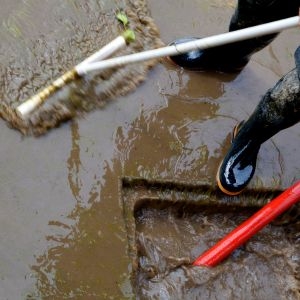
Poultry boots need a clear cleaning routine. Mud and droppings caught in the tread can travel with footwear, making the entrance to a poultry area an important place to control contamination.
A poultry footbath can support footwear hygiene, but its usefulness depends on preparation and correct use. Boots need cleaning first, and the disinfectant must be suitable for the task and used according to its instructions. Simply stepping into a tray of liquid does not establish that footwear has been disinfected.
This guide covers routine prevention for New Zealand poultry premises. If you suspect bird flu in your flock, contact your veterinarian and follow their instructions before handling sick or dead birds or undertaking a clean-up.
Start with dedicated poultry footwear
Where practical, keep boots specifically for the poultry area. Make it clear where outdoor footwear comes off and poultry footwear goes on. Dedicated boots still need cleaning and appropriate disinfection.
MPI’s advice for people keeping birds includes regular footwear cleaning or dedicated footwear for the chicken yard. Commercial operations should follow their site-specific biosecurity procedures.
Choose boots that are practical to inspect and clean. Review damaged footwear rather than allowing deeply cracked or deteriorating boots to stay in use indefinitely. The University of Delaware’s poultry footwear guidance discusses dedicated footwear and the importance of removing organic material before disinfection.
Set up a usable boot cleaning station
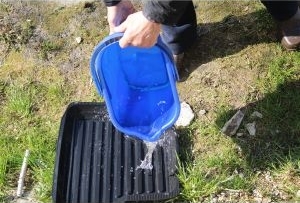
Place the station where people can complete the procedure before crossing into the poultry area. Keep the cleaning stage separate from the disinfectant bath so that soil removal does not take place in the disinfectant solution.
A practical station should provide:
- A suitable brush and the supplies needed to wash boots.
- Clean water and a way to manage dirty wash water.
- A stable container compatible with the selected disinfectant.
- Measuring equipment and clearly displayed product instructions.
- Safe storage for footwear and cleaning tools.
Allow enough space for people to use the station without stepping back into the dirty area afterwards. Check whether visitors can understand the sequence without someone having to explain it each time.
The Farm Biosecurity footbath guide describes separating debris removal, washing and disinfection. Use that sequence alongside your own product instructions and farm plan.
Clean poultry boots before disinfecting

First remove visible mud, litter and droppings with a suitable brush. Pay attention to grooves in the sole and the edges around the tread. Work carefully to avoid splashing contamination onto clothing or nearby clean supplies.
Wash with a cleaner suitable for the boot material and task. Follow its instructions, then remove loosened contamination and residues as required. Inspect both boots before moving to the disinfection stage.
The USDA’s Defend the Flock guidance specifically advises removing droppings, mud and debris before using a disinfectant footbath.
For more on the role of this preparation, read Cleaning Before Disinfection: The Step Poultry Farms Shouldn’t Skip During Bird Flu Risk.
Apply the disinfectant as directed
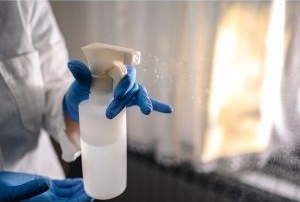
Select a product with documented efficacy supporting the intended avian influenza application and instructions suitable for footwear. Our guide to choosing a bird flu disinfectant in New Zealand explains what to check before buying.
Prepare the solution accurately. Check the required contact time and ensure the surfaces being treated receive the specified exposure. Where the instructions require a surface to remain wet, maintain that condition throughout the contact period.
A quick dip is insufficient when the instructions require longer contact. If the procedure is impractical at a busy doorway, discuss a workable footwear-change and disinfection system with your farm adviser. Do not shorten the time to suit the queue.
Follow any subsequent rinsing or drying instructions. Poultry cleaning and disinfection guidance highlights contact time and the need to protect footbaths from contamination and dilution.
Maintain the footbath throughout the day
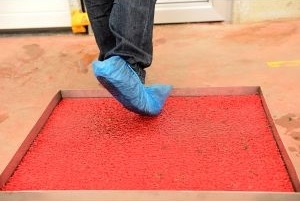
Assign someone to check the station and make sure replacement supplies are available. A footbath should not remain in service simply because liquid is still present.
Follow the product’s solution replacement instructions and the farm’s procedure. Respond sooner if contamination or dilution means the solution no longer meets its use conditions. Rainwater and dirt can reduce effectiveness, so choose a protected position and keep the container clean.
Avoid simply topping up a dirty bath. Empty and clean it when required, manage the used solution according to the label and site arrangements, and prepare a fresh batch at the correct concentration.
Keep a simple record of preparation and replacement. Include the time, product and person responsible. This makes it easier for the next shift to know what has been done.
Prevent recontamination after cleaning

Think about the route people take after using the station. Cleaned footwear should not immediately cross the same muddy ground that it was cleaned to leave behind.
Store dedicated boots in their designated area and keep cleaning tools associated with that station. Include visitors and contractors in the procedure, and show them where footwear changes happen.
A short demonstration is useful during induction: ask the person to show the cleaning sequence and identify where to find the product instructions. This can reveal practical gaps that a sign alone will not resolve.
For the wider farm routine, see Bird Flu Biosecurity in NZ: Everyday Cleaning Practices That Help Reduce Risk. Footwear hygiene works alongside the other controls in your biosecurity plan.
Why Choose Insinc Products?
Insinc’s cleaning products range offers a place to source products for routine cleaning tasks. Its enzyme-based cleaners can also be reviewed where an individual product’s instructions suit the soil and surface involved.
Start with what your station needs, then check suitability before purchasing. Cleaning products support the preparation stage; any product selected for bird flu disinfection needs its own supporting evidence and application instructions. Keeping those roles clear makes it easier to order the right supplies consistently.
Frequently Asked Questions
Do poultry boots need cleaning before a footbath?
Yes. Remove visible dirt and organic material and wash the boots as required before applying disinfectant. A footbath should not be used as the place to scrub off accumulated manure.
How long should boots stay in disinfectant?
Follow the exact product’s instructions for the intended application. There is no universal contact time, and a quick step through the bath may not meet the requirement.
How often should a poultry footbath be changed?
Follow the product instructions and farm procedure, replacing it sooner if contamination or dilution compromises its use conditions. Check the station during use, rather than relying solely on a fixed calendar interval.
Can dedicated poultry boots replace every other precaution?
No. They help manage footwear movement but still need maintenance. Hand hygiene, equipment controls and the rest of the farm’s biosecurity plan remain relevant.
What should I do if I suspect bird flu?
Contact your veterinarian promptly and follow their instructions. Avoid handling sick or dead birds while awaiting advice. MPI’s current bird health guidance should take priority over a routine cleaning article.
https://www.insinc.co.nz/category/cleaning-products-supplies.html
Posted: Thursday 17 September 2026

